Treating Varicose Veins with Compression Stockings
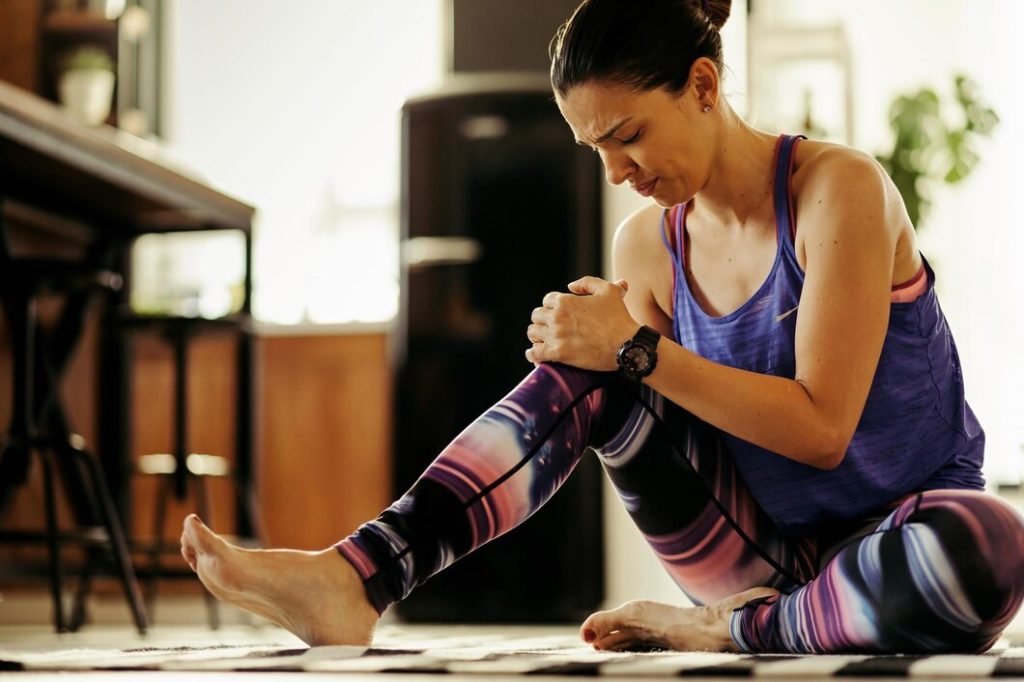
Varicose veins can cause discomfort and swelling in the legs. One of the most effective treatments for managing varicose veins is compression stockings. These stockings work by applying pressure to the legs, improving circulation and reducing symptoms. In this post, we’ll explore how compression stockings help treat varicose veins, the different types available, when to wear them, and the potential risks.
How Compression Stockings Help to Treat Varicose Veins
Compression stockings apply gentle pressure to the legs, promoting better blood flow and reducing the pooling of blood in the veins. This improved circulation helps ease pain, swelling, and discomfort caused by varicose veins.
By providing steady pressure, compression stockings help prevent veins from becoming more pronounced and support healthier circulation. With consistent use, compression stockings can effectively manage symptoms and improve leg comfort over time.
Which Type of Compression Stocking Should I Use?
There are different types of compression stockings, each providing varying levels of pressure:
- Support Pantyhose: These provide some compression but are the least tight option. They can help with mild swelling and provide general support.
- Compression Socks and Stockings: Available in a variety of pressure levels, these offer more support than pantyhose and are readily available at drugstores, pharmacies, or online. They are ideal for people who need moderate compression.
- Prescription Compression Stockings: These provide the most significant pressure and are tailored to fit your legs properly. A healthcare professional fits these stockings to ensure they are effective without being so tight that they negatively impact circulation. Prescription stockings are typically used for more severe varicose veins.
Compression stockings can be knee-high or thigh-high. Knee-high socks are especially effective for improving circulation in the lower legs and are beneficial when exercising.
When Should I Wear Compression Stockings?
It’s recommended to wear compression stockings during the day, especially when standing or sitting for long periods. Wearing them throughout the day can help manage symptoms and prevent worsening of the veins. They are often removed while sleeping. If you have more severe varicose veins, your healthcare provider may recommend wearing them even while resting or at night.
Risks of Compression Stockings
While compression stockings are generally safe and beneficial, they can cause some side effects, especially if worn improperly. Some potential risks include:
- Broken Skin: If the stockings are too tight or worn for too long, they may cause abrasions or broken skin.
- Skin Irritation: The pressure from the stockings can cause discomfort or irritation, especially if the fabric rubs against the skin.
- Discomfort: If the stockings are the wrong size or worn incorrectly, they can cause pain. It’s essential to follow the fitting instructions carefully.
- Temporary Dents in the Skin: If the stockings are too tight or wrinkled, they may leave temporary marks on the skin.
For the best results, ensure that the stockings are the correct size, put on properly, and worn as directed by your healthcare provider.
Contact us today at Fairview Physiotherapy to learn more about compression stockings for varicose veins and how we can help improve your circulation and reduce discomfort.