What Is Mobility and Why Does It Matter?
Mobility refers to the ability to move freely and easily, whether that means walking, bending, reaching, or simply turning your head without strain. For many, Mobility is taken for granted until it begins to decline. This loss can stem from injuries, chronic conditions, Surgery, aging, or prolonged inactivity. As Mobility decreases, independence and quality of life can suffer.
In everyday terms, reduced Mobility can make it challenging to perform basic activities, such as getting out of bed, climbing stairs, or even carrying groceries. More importantly, restricted movement may increase the risk of falls, social withdrawal, and emotional distress.
Why Physiotherapy Plays a Central Role in Regaining Movement
When Mobility starts to decline, physiotherapy becomes a practical and effective option. It doesn’t just treat symptoms; it works at the source of the problem. Through structured techniques, physical assessments, and personalized treatment plans, physiotherapists focus on restoring and enhancing movement over time.
Physiotherapy Clinics take a multidisciplinary approach. They address the mechanical, neurological, and functional causes of reduced Mobility using evidence-based methods and clinical experience. For those looking to improve daily function or recover from injury, physiotherapy offers a strategic path forward.
How Clinics in Mississauga Improve Mobility Step by Step

The strength of physiotherapy lies in its tailored methods. These are not generic routines but specific techniques based on a person’s health status and movement goals. In many clinics, traditional rehabilitation methods are combined with modern innovations to ensure measurable, sustainable progress.
The following eight methods outline how Physiotherapy Clinics work to improve movement and overall function in individuals of all ages and backgrounds.
1. Manual Therapy for Soft Tissue and Joint Flexibility
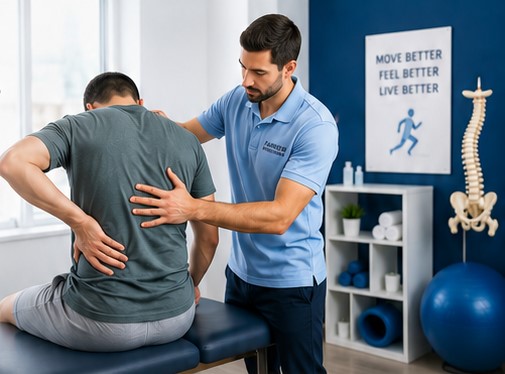
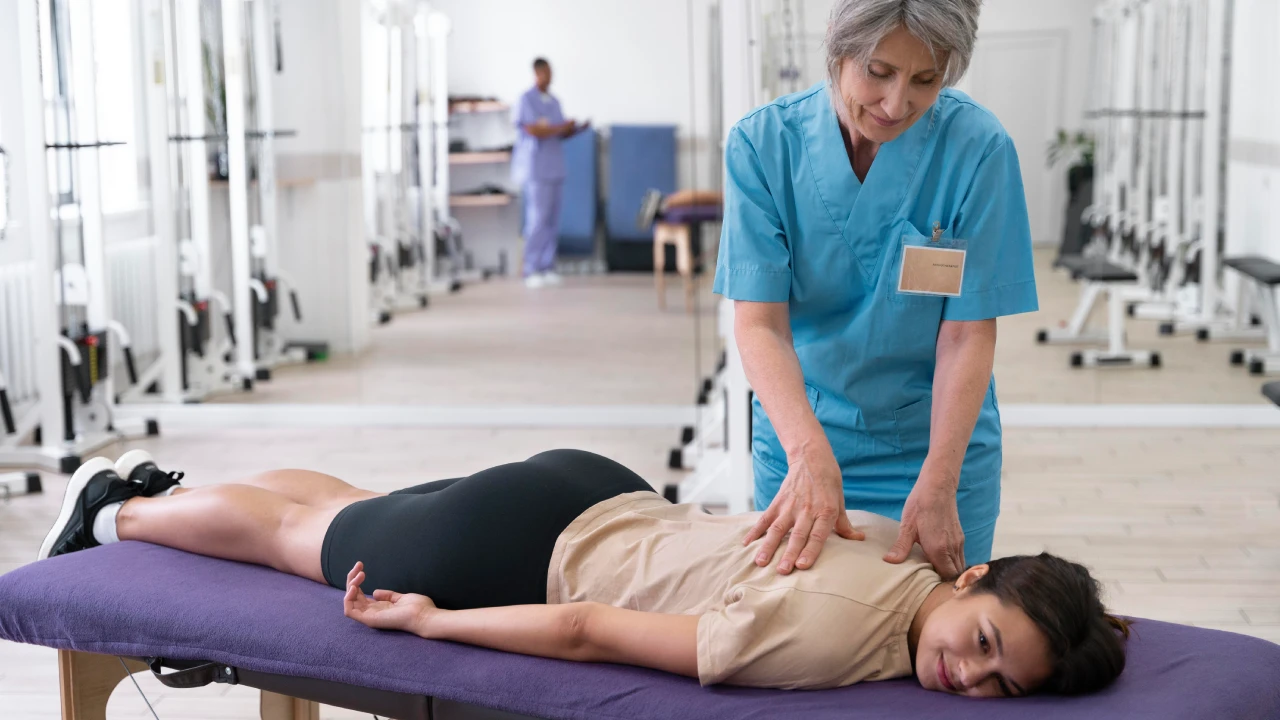
Manual therapy uses hands-on techniques to address stiffness, muscle tightness, and restricted joint motion. It includes joint mobilizations, trigger point release, and passive stretching. By increasing circulation and reducing tension, this approach makes movement more fluid and less painful.
Clinics across Mississauga regularly use manual therapy in the early stages of treatment to reduce discomfort and prepare the body for more active rehabilitation.
2. Personalized Exercise Programs
Exercise therapy forms the backbone of most mobility-focused physiotherapy treatments. These exercises are custom-built to focus on strength, balance, flexibility, and endurance.
Unlike generalized workouts, these sessions are guided by trained professionals who make real-time adjustments based on patient response. Most Physiotherapy Clinics offer supervised one-on-one training or group classes, depending on the client’s needs.
3. Neuromuscular Re-Education Techniques
This approach is especially beneficial for individuals recovering from strokes, brain injuries, or those living with neurological conditions. The goal is to retrain the nervous system to restore coordinated movement.
Therapists use balance exercises, proprioception drills, and repetition-based movement patterns to rebuild lost connections between the brain and muscles. Physiotherapy Clinics apply these techniques through structured programs that gradually improve control and Confidence in daily movement.
4. Gait Training and Mobility Aid Guidance
Gait training focuses on improving walking mechanics and Posture. Physiotherapists analyze walking patterns to identify asymmetries, foot drop, or postural issues, and then guide clients through correction using treadmills, balance bars, or video feedback.
Patients who require walking aids are also educated on proper usage to reduce the risk of falls. Most Physiotherapy Clinics also assist with fitting and adjustments for canes, walkers, or braces.
5. Aquatic Therapy (Hydrotherapy)
Water-based therapy offers a low-impact, high-resistance environment ideal for patients who can’t tolerate traditional weight-bearing exercises. It’s beneficial for those with arthritis, severe joint pain, or post-surgical limitations.
Many Physiotherapy Clinics partner with local pools or offer hydrotherapy on-site. Water supports the body’s weight, allowing movement with reduced joint pressure while still effectively challenging muscles.
6. Postural Retraining and Ergonomic Coaching
Sitting, standing, or lifting incorrectly for long periods can negatively impact Mobility. Postural issues may contribute to chronic pain or movement limitations.
Physiotherapists observe body mechanics in real-world tasks and provide tailored strategies to reduce stress on the body. This can include work-from-home ergonomics, lifting mechanics, and even tips on walking Posture. Many Physiotherapy Clinics also use digital tools or mirror feedback to help patients build awareness and correct habits.
7. Supportive Devices: Braces, Splints, and Orthotics
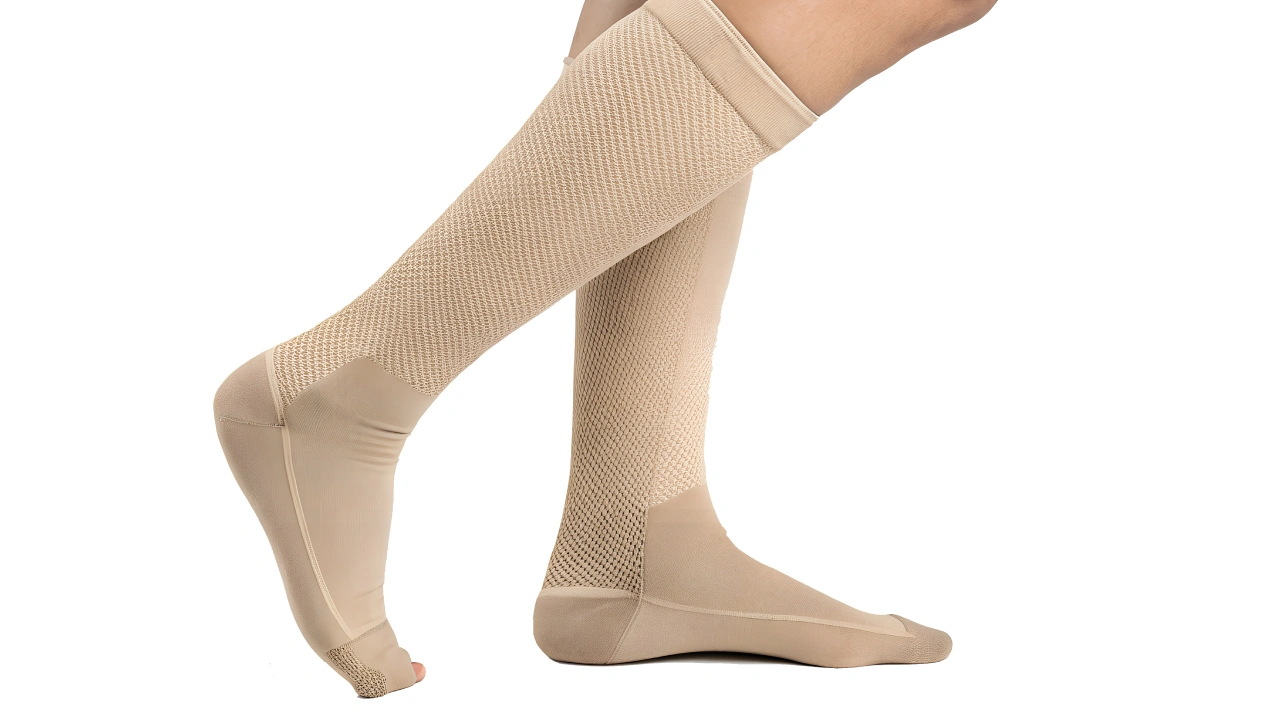
In some cases, Mobility can’t be improved solely through exercise. External supports such as orthotics, splints, or braces help correct biomechanical issues and reduce unnecessary strain.
For instance, a patient with foot misalignment may benefit from orthotics that promote proper gait. These tools are often fitted after careful biomechanical assessment, and Physiotherapy Clinics frequently work with custom orthotic providers as part of the rehabilitation process.
8. Education and Self-Management Techniques
Restoring Mobility isn’t limited to in-clinic sessions. Physiotherapists place strong emphasis on helping clients understand their condition and teaching them how to manage it at home.
Education includes home exercises, pacing strategies, safety tips, and long-term movement habits. Physiotherapy Clinics provide resources such as printed guides, video tutorials, and mobile-friendly tools to help clients continue their progress independently.
Physiotherapy Clinics encourage clients to take ownership of their rehabilitation journey, which helps ensure consistent improvement and prevents relapses.
What You Can Expect from a Mobility-Focused Physiotherapy Plan
Each method mentioned above may be used on its own or combined, depending on the individual’s condition. In most cases, patients start seeing small wins within weeks, such as improved Posture, less joint stiffness, or fewer falls.
Physiotherapy Clinics often reassess progress regularly and adjust treatment plans to maintain momentum. The collaborative nature of physiotherapy ensures that goals remain realistic, measurable, and aligned with everyday needs.
Moving Forward
Movement challenges can limit independence and ripple through physical and emotional wellbeing. However, with the right support system in place, progress is possible. These eight methods demonstrate how Physiotherapy Clinics use evidence-based practices to restore motion, reduce limitations, and help people reclaim their freedom of movement.
Whether you’re recovering from an injury, adapting to a chronic condition, or simply looking to stay mobile as you age, physiotherapy offers practical, structured ways to support that goal.